VIEW THE 2026 EVENT
On 17 June we welcomed our partners, speakers and delegates to Old Trafford Stadium for the fantastic inaugural addition of Global AI Cities Conference.
Click on the image to view the full gallery and download photos.


On 17 June we welcomed our partners, speakers and delegates to Old Trafford Stadium for the fantastic inaugural addition of Global AI Cities Conference.
Click on the image to view the full gallery and download photos.
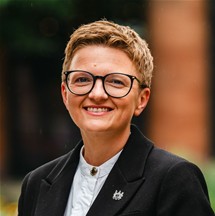
Leader of Manchester City Council, GM Economy Portfolio Lead & Deputy Mayor of Greater Manchester, United Kingdom

Mayor of Greater Manchester, United Kingdom
Andy Burnham was first elected as Mayor of Greater Manchester in May 2017, re-elected for a second term in May 2021 and a third term in May 2024.
Responsible for shaping the future of Greater Manchester, Andy’s priorities for his third term include continuing to build a London-style integrated transport system, ending the housing crisis by 2038, offering a new technical education pathway as an alternative to university and creating a new Live Well service, making Greater Manchester a great place to grow up, get on, and grow old.
Before being elected Mayor of Greater Manchester, Andy was MP for Leigh from 2001. In government, Andy has held Ministerial positions at the Home Office, Department of Health, and the Treasury. In 2008 he became Secretary of State for Culture, Media and Sport, before returning to Health as Secretary of State in 2009. In opposition, Andy has served as Shadow Education Secretary, Shadow Health Secretary and Shadow Home Secretary.

Strategic Lead for AI & Automation, Brent Council, United Kingdom
Olu Adeniji is the Strategic Lead for AI & Automation at Brent Council (Digital Programme Manager), leading the development of Brent’s Corporate AI Strategy. With over two decades of experience, he specialises in designing governable, scalable solutions for highly regulated, resident centric public sector environments.
As the architect of Brent’s sovereign AI & Automation Centre of Excellence (CoE), Olu has established the operating model, governance frameworks, and delivery standards that enable secure, cyber aware and audit ready adoption of AI, Robotic Process Automation (RPA), AI powered automation, Conversational AI virtual assistants, and emerging agentic AI capabilities, leveraging enterprise grade vendor models.
His work bridges the public sector “Iron Triangle” of audit, finance (MTFS/VfM), and ICT, ensuring automation enhances service delivery while protecting resident data and institutional trust. He also engages with global platform leaders through advisory forums, contributing governance led insight into enterprise AI adoption.
His approach provides a repeatable blueprint for local authorities seeking to adopt AI, RPA, AI powered automation, and agentic AI in a way that is secure, resident focused, and sustainable at scale.

Executive Chief Digital and Information Officer (CDIO) and Executive Director, NHS West Yorkshire Integrated Care Board and Integrated Care System, United Kingdom
Shaukat Ali Khan is the Executive Chief Digital and Information Officer (CDIO) and Executive Director at the NHS West Yorkshire Integrated Care Board (ICB) and Integrated Care System (ICS). He leads the Digital, Data, and Technology (DDaT) Directorate, supporting millions of residents and more than 100,000 users across a large and complex healthcare network.
Prior to joining the NHS, Shaukat served as Global Chief Information Officer at Aga Khan University, where he oversaw ICT systems for 32,000 users across hospitals, medical centres, and academic institutions in Asia, Africa, and the UK. He also held the CIO role at the University of Central Asia, leading digital transformation across 15 locations in four countries. His earlier career includes senior IT leadership positions at Novo Nordisk HQ and UNICEF HQ in Denmark, managing global infrastructure and operations across more than 80 countries.
With over two decades of global experience across healthcare, education, pharmaceuticals, humanitarian, defence, and hospitality sectors, Shaukat is widely recognised as a technology thought leader. He holds a master’s degree in computer science from Blekinge Institute of Technology, Sweden, is a certified Dynamic Manager and Leader from Harvard Business School, and is a Fellow of the British Computer Society (BCS). Shaukat has earned 50+ national and international accolades, including the DXInspire Award and World CIO 200 Legend Award. In September 2025, his profile was featured on the historic New York Times Square billboard as one of the 100 Legacy Makers. In 2023, he received the “Thought Leader’s Excellence Award” from the President of Pakistan and was nominated for the UN Chief Information Technology Officer role. In addition to his executive roles, Shaukat has organised international conferences attended by heads of state and global leaders, and hosted lectures featuring technology pioneers such as Vint Cerf and Toomas Ilves. He is a regular contributor to leading global newspapers and a sought-after commentator on emerging technologies and digital transformation in international media.

Professor of Planning and Urban Transformations, University College London, The Bartlett School of Planning
Lauren Andres is Pro-Vice-Provost (Inequalities) for the UCL Grand Challenge. She holds a Chair in Planning and Urban Transformations at the Bartlett School of Planning, where she also serves as Director of Research.
Lauren’s work focuses on adaptable cities, with particular attention to the temporary and more permanent transformations experienced by cities, people, and places. She specialises in research on socio-economic and urban inequalities associated with crises and disruptions, examining how these challenge key priorities such as resilience, sustainability, and social justice, as well as shape policy-making and urban governance.
Recently, along with Professor Mike Raco, she has been examining the adoption of artificial intelligence in cities, specifically in the planning and real estate sectors, with a particular focus on the United Kingdom and China.
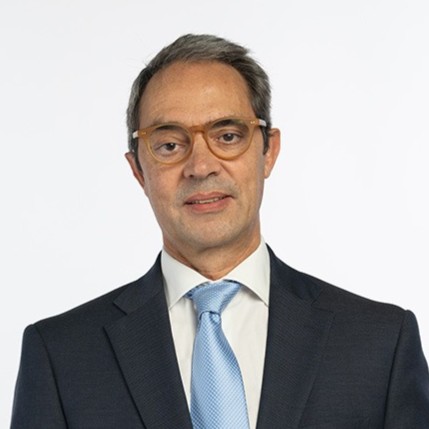
Councillor, Lisbon City Council, Portugal
Born in Lisbon in 1969, holds a degree in Business Management and Administration, granted in 1993 by Universidade Lusíada de Lisboa.
The professional trajectory began in Internal Audit at Banco Espírito Santo in 1994, followed by a transition to Banco Mello de Investimentos. Between 1996 and 2000, the responsibilities included risk monitoring of trading room operations and oversight of associated back-office activities.
In 2000, undertook a 15-year tenure in the golf industry, serving as head of a leisure management company operating within golf courses. This experience led to appointments as Executive Director of the Association of Golf Course Owners (or National Golf Industry Council) from 2004 to 2007 and again from 2011 to 2015.
In 2007, established a company specializing in the management and maintenance of golf courses. During this period, was involved in numerous projects focused on the design, renovation, and operational and financial control of these developments. A notable achievement was the creation, in 2012, of an online reservation platform for Portuguese golf courses, supported by Turismo de Portugal.
Academic advancement included completion of an MBA at IESE/AESE (2007/2008), as well as participation in international executive programs at the University of Michigan Business School— covering Marketing, Cost Control, and Corporate Strategy—and at the Bangalore Institute of Technology, with a focus on Governance.
Since 2016, has been engaged in management consulting. Significant experience was acquired from 2019 to 2021 at CML (Municipal Directorate of Finance – Procurement Department), including work with public procurement, support for departmental financial management, and organization of management information. Also participated in the decentralization process involving the transfer of educational competencies from the Ministry of Education to the Municipality. A comparable role was held at Santa Casa da Misericórdia de Lisboa from 2022 to 2024, and from 2024 until July of 2025, returned to CML (Municipal Directorate of Human Resources, Department of Health, Hygiene, and Safety), contributing to the modernization of financial and organizational processes. This recent experience has notably expanded the knowledge and perspective on municipal administration.
In 2025, joined the lists of the “Por Ti, Lisboa” coalition as a candidate nominated by IL, and was elected Councillor of the Lisbon City Council. The portfolios delegated included Information Systems, Transparency and Corruption, Smart City, Auditing, Sports, Administrative Reform and Modernization, Sustainability and Data Protection

Deputy Director, Digital Workforce & Capability, Department for Science, Innovation and Technology
Thomas joined the GDS in 2021 (now part of DSIT) and is responsible for transforming how Government grows capability in digital, data and cyber. This includes attracting, recruiting and building digital expertise, through to developing the many leaders in government who have specialism in other domains, but increasingly need digital and data confidence to deliver.
Thomas joined Government in 2019 from BT, where he led engineering workforce planning, apprenticeships and learning transformation. He is also a trustee at Good Things Foundation, the UK’s leading digital inclusion charity.

Interim Director General, Digital Products Group, Government Digital Service, United Kingdom
Christine Bellamy is the Interim Director General for Digital Products. She was appointed in January 2026.
Christine was previously Government Chief Product Officer, appointed on an interim basis from January 2025 to December 2025.
She was previously the Chief Executive Officer of the Government Digital Service (GDS) and held the position of Director of GOV.UK.
Before joining the Civil Service in 2022, Christine held a number of roles leading digital transformation and delivery at the BBC. Prior to this, she was a Managing Director at Johnston Media (2009-2012).

Non-executive Director, Gateshead Health NHS Foundation Trust, United Kingdom
Andrew Besford works across large private sector organisations and complex public systems, helping them use technology and data to modernise services and deliver change.
He authored the Global Government Forum report, “A fresh mandate for digital leadership in the NHS”, which identifies what needs to change to meet the UK government’s digital ambitions for the NHS.
He served as a senior civil servant at the Department for Work and Pensions and at the Cabinet Office’s Government Digital Service, where he led the creation of the 2017 UK Government Transformation Strategy. Andrew is a non-executive director in the NHS and chairs the digital committee at Gateshead Health NHS Foundation Trust.

Chief Digital Officer for London at the Greater London Authority, United Kingdom
Appointed in 2017 as London’s first Chief Digital Officer, Theo leads on London-wide digital transformation, data and smart city initiatives at City Hall. His role involves strategic leadership on the digital transformation agenda for London’s public services, across the GLA group and the wider public sector. Convening on behalf of the Mayor across London local government to support the take-up of innovative, technology, and data-led approaches to service delivery and public engagement. Developing and promoting partnership between the public, private and community sectors to enable and support the development of new public service-oriented technology and innovation.

Network Director Highways, Transport for Greater Manchester, United Kingdom
Peter is Network Director Highways for Transport for Greater Manchester (TfGM) and has spent the majority of his career in public transport leading and managing all aspects of project and programme lifecycles across all modes from inception to development, design, delivery, commissioning and operations.
He is accountable for the strategic oversight of the Greater Manchester’s highway network, urban traffic control, intelligent transport systems, road safety, TfGM’s multi-modal 24/7 Operational Control Centre, safety and security, organisational resilience and operational data and analytics.
He has recently led the development of the approach and subsequent adoption of Vision Zero for Greater Manchester with the ambition for zero fatalities and life changing injuries (FLCI) on our roads by 2040, whilst increasing safe, healthy and equitable mobility for all. With increasing volume of traffic on GM roads and limited opportunity for expansion of the road network, Peter’s focus is on how technology, data and AI can allow us to actively manage traffic in real time, understand and predict demand, and prioritise road space in line with our wider objectives for public transport, safety and growth.

Senior Experience Partner, Granicus
Jonathan Bradley leads the UK arm of Granicus’ Experience Services, where he partners exclusively with public sector organisations to design modern, meaningful customer experiences. As a Senior Experience Partner, he’s passionate about making public services more accessible, intuitive, and impactful—helping people get what they need, when they need it, with ease. With over 25 years of experience across the public sector, Jonathan brings deep insight and a human-centred mindset to digital transformation. His mission? To help organisations shift from process-driven systems to people-first solutions that genuinely improve lives and strengthen communities. Outside of work, Jonathan finds harmony in music—he’s a proud member of the Mousehole Male Voice Choir, where he lends his voice to a tradition that celebrates community, culture, and connection.

Head of Programme, Cyber Resilience, techUK, United Kingdom
Jill leads techUK’s Cyber Resilience programme, having originally joined techUK in October 2020 as a Programme Manager for the Cyber and Central Government programmes. She is responsible for managing techUK’s work across the cyber security ecosystem, bringing industry together with key stakeholders across the public and private sectors. A key focus of her work is to strengthen the public–private partnership across cyber to support further development of cyber security and resilience policy. Jill also provides the industry secretariat for the Cyber Growth Partnership, the industry and government conduit for supporting the growth of the UK’s cyber sector.

State Attorney and Lead Counsel, Science, Technology and Innovation at the Government of the State of São Paulo, Brazil
Rafael Carvalho de Fassio is the State Attorney and Lead Counsel for Science, Technology and Innovation at the Government of the State of São Paulo, Brazil. Consultant to the Inter-American Development Bank (IDB) on Public Procurement of Innovation in Brazil and Latin America. He holds an LL.M. and a Ph.D. from the University of São Paulo and was a fellow in AI and Machine Learning at the World Economic Forum

Group Deputy Director, Digital Missions and Transformation Group, Department for Energy Security and Net Zero, United Kingdom
Alexis Castillo-Soto has delivered a range of award winning, innovative IT solutions & services in the private and public sector, including major change programmes to realise efficiencies, support service delivery and enable cultural change.
He led one of the first successful programmes delivering Transformational Government, where his approach became the template for others working to meet the required standards.
He has worked with many suppliers from individual consultants, SMEs and the Tier1 Service Integrators, always ensuring that they have clear deliverables and building strong relationships.
He has worked with & chosen a diverse range of technologies from Open Source, Appian, Azure, AWS, RPA, MuleSoft, Tibco, Documentum to meet business requirements. He has created partnerships with these organisations, which has led to being asked to speak at their conferences or sit on relevant advisory panels.

Manager, Autonomous Organisation for Information Technology, Madrid City Council, Spain
Juan Corro is currently the Manager of the Autonomous IT Agency of the Madrid City Council. Previously, he was Director of Technology and Innovation at Empresa Municipal de Transportes de Madrid (EMT), Vice President of the Information Technology Commission of the UITP (International Union of Public Transport), and one of the 100 experts selected by the European Commission to advise on legislative initiatives promoting multimodality in Europe.
Juan has also been Academic Director of the Engineering Area of the University Center affiliated with the Camilo José Cela University, U-TAD, a leader in digital training, and Vice President of SAYME, a technology startup specializing in IoT solutions and services. In addition, he has served as Chief of Staff to the Secretary of State for Telecommunications, a member of the Board of Directors of RED.ES and Hisdesat, the company that manages Spain’s Earth observation and military communications satellites, founding President of AENOR’s CTN 178 Smart Cities Committee, and a member of the Standing Committee of the Council for Scientific and Technological Policy of the Ministry of Science.
Juan is an associate professor at the University of Alcalá and organises seminars and workshops at think tanks on artificial intelligence and its challenges. He also served as a city councillor and member of the Governing Board of the Santander City Council.

Professor in Computational Intelligence, Chair UKRI AI and Robotics SAT, Manchester Metropolitan University, United Kingdom
Keeley Crockett SMIEEE SFHEA is a Professor in Computational Intelligence at Manchester Metropolitan University She has over 27 years’ experience of research and development in Ethical and responsible AI (for both SME’s and an advocate for citizen voice), computational intelligence algorithms and applications, including adaptive psychological profiling, fuzzy systems, semantic similarity, and dialogue systems. Keeley has led work on Place based practical Artificial Intelligence, facilitating a parliamentary inquiry with Policy Connect and the All-Party Parliamentary Group on Data Analytics (APGDA), leading to the inquiry report “Our Place Our Data: Involving Local People in Data and AI-Based Recovery”. She was a steering committee member for the Policy Connect and UK Parliamentary Inquiry on Skills in the Age of AI launched in June 2025. She is one of the five EPSRC Public Engagement Champions and the PI on the EPSRC “PEAs in Pods: Co-production of community based public engagement for data and AI research.” One of the co-produced outputs from this project is the first People’s Charter for AI co-created with community members across Greater Manchester and Salford. Keeley was one on the Founders of the People Panel for AI, funded originally by The Alan Turing Institute and adopted in 2024 Manchester City Council. She is the academic AI lead for the UKRI funded Centre for Digital Innovation and is working on several Innovate UK Knowledge Transfer Partnerships with private and public sector such as GMCA. Keeley was a collaborator on the AI Playbook for the UK Government and in September 2025 co-chaired the AI in Government and Academia Summit. She is also part of the International Agentic AI Safety Experts Focus Group which includes the development of the Guidelines for Agentic AI Safety Volume 1&2 (2024, 2025). Keeley Chairs (2025-2027) UKRI’s AI & Robotics Strategic Advisory Team. She founded and chaired the IEEE Technical committee SHIELD (2022-2024) and currently Chairs the new IEEE CIS AI Ethics Education and Awareness (AEEA) Taskforce.

Applied Research & Innovation Director, Nesta, United Kingdom
Biography to follow shortly.

Director of Digital and Customer Services, Salford City Council, United Kingdom
Steven Fry is Director of Digital and Customer Services at Salford City Council and one of the UK’s Top 5 most influential AI leaders. He leads a 140-strong DDaT and Customer Experience function spanning AI and data, digital and data, programmes and PMO, and cyber and technology — and is a four-time CIO100 honouree (2021–2024). Over a decade in local government, Steven has built a reputation for reimagining public services from the ground up, combining a sociologist’s lens with deep technical fluency to deliver agentic AI, cloud transformation, and customer experience programmes that put residents first.
Based in Greater Manchester, Steven describes himself as “the dark horse” of the DDaT industry — a system leader who pairs public sector reform with a willingness to tear up the playbook when it no longer serves the people on the other end of the service. He speaks regularly on AI in the public sector, human-centred service design, and the idea that local government can — and should — make people say, “Wait, local government did that?”

Senior Researcher, Department for Cybersecurity and Critical Infrastructure Protection of the National Institute for Research and Development in Informatics - ICI Bucharest, Romania
Alexandru Georgescu is a Senior Researcher with the Department for Cybersecurity and Critical Infrastructure Protection of the National Institute for Research and Development in Informatics. He has an eclectic background, having studied Economics, then Geopolitics, and has obtained a PhD in Risk Engineering for Critical Infrastructure Systems. His PhD thesis was developed into a book published by Springer and awarded the 2020 Book Prize of the International Academy of Astronautics.
He is actively involved in advancing Critical Infrastructure Protection and Resilience issues through cooperation at international level and has worked on international projects for the European Space Agency and others. He was a Denton Transatlantic Fellow with the Center for European Policy Analysis in Washington, DC, and a Visiting Fellow with the Shanghai Institutes for International Studies. Since 2019, he has been moderating a Working Group on the Protection of Defence-related Critical Energy Infrastructures within the European Defence Agency’s Consultation Forum for Sustainable Energy in the Security and Defence Sectors. In this position, he has contributed to policy documents, project proposals and studies on Critical Infrastructure Protection, including from the perspective of cyber resilience and hybrid threats. He is affiliated with the Romanian Association for the Promotion of Critical Infrastructure Protection, the Romanian Association for Space Technology and Industry, and serves as Secretary General of Eurodefense Romania.

Deputy Manager of Digital Platforms, Madrid City Council, Spain
Pilar Gonzalez Blanco is Deputy Manager of Digital Platforms at Madrid City Council, where they contribute to the strategic development of digital public services and municipal technology platforms. Their work sits at the intersection of public administration, service innovation and digital transformation, with a focus on enabling more efficient, coordinated and accessible services for residents. They are particularly interested in how artificial intelligence can be responsibly adopted by local governments to improve public service delivery, strengthen institutional capacity and support more proactive, inclusive and human-centred cities.

Head of Smart Space and Local Government, NVIDIA
David Gregory heads NVIDIA’s UKI Smart Spaces and Local Government business, working with cities, public-sector organisations and infrastructure partners to explore how AI, computer vision, digital twins and agentic AI can improve services, resilience, mobility and outcomes for regions.

Assistant Director for Digital, Wigan Council, United Kingdom
Rob is currently Assistant Director for Digital at Wigan Council and leads the Council’s AI Partnership with Agilisys, which has been driving AI tools deployment across the council for the past 3 years. Wigan is also leading 2 AI prototypes on behalf of the Greater Manchester AI and Data Innovation Office (ADIO).
Rob has worked across local government for the past 20 years in different reform and transformation functions, is an LGA peer and is also an Adjunct for Hult Ashridge Business School. He is passionate about the transformative potential of digital technology and AI as part of a future, more citizen-centred model of public service delivery and what this may also mean for communities and wider local economies.

Head of Innovation and Economy, North East Mayoral Strategic Authority, United Kingdom
Deborah Hardoon, Head of Innovation and Economy at the North East Mayoral Strategic Authority, responsible for the MSA’s strategic approach to innovation and the delivery of flagship programmes including the North East AI Growth Zone and the Local Innovation Partnership Fund. Previously, as the Head of Digital Technology at HMT, I was responsible for DSIT spending and overseeing policy work on AI, online safety and the Digital Technology sector plan.

Chief Intelligence and Analytics Officer, NHS Greater Manchester, United Kingdom
Matt is the Chief Data and Analytics Officer for NHS Greater Manchester. His career began in criminal justice as a drugs keyworker and forensic psychologist but has since held senior positions where he has led:
He holds an MBA in Executive Leadership and is an Honorary Senior Research Fellow with Division of Informatics, Imaging and Data Sciences at the University of Manchester.

Corporate Chief Information Officer, Government of Alberta, Canada
Richard Henderson is Assistant Deputy Minister and Corporate Chief Information Officer for the Government of Alberta, where he leads enterprise technology strategy, digital transformation, and IT operations across one of Canada’s largest and most complex public sector environments. In this role, he is responsible for enabling secure, reliable, and scalable digital services that support government programs and improve service delivery for Albertans.
Prior to joining the Government of Alberta, Richard served as Chief Information Security Officer for Alberta Health Services, overseeing cybersecurity strategy and operations for one of the largest integrated healthcare environments in the world. His leadership experience spans enterprise technology modernization, cybersecurity operations, digital resilience, and large-scale public sector transformation.
Richard is a strong advocate for practical and responsible AI adoption within government. Under Alberta’s leadership, the province is emerging as the national leader in AI enablement across the public service, advancing the use of artificial intelligence to improve operational efficiency, support evidence-based decision-making, strengthen cybersecurity capabilities, and enhance citizen services at scale. His work emphasizes the responsible integration of emerging technologies while maintaining public trust, security, and transparency.
A recognized technology leader, Richard frequently speaks on topics including digital government, AI adoption, cyber resilience, and public sector innovation. He is committed to building high-performing teams, fostering cross-jurisdictional collaboration, and helping shape the future of modern public service delivery in Canada.

Digital Adviser, Local Government Association (LGA), United Kingdom
Tom Hindmarch is a Digital Adviser at the Local Government Association (LGA) , where he leads their AI programme of work. Tom chairs the LGA’s AI Network, connecting over 1,000 local government practitioners. He’s led key initiatives such as the “State of the Sector: AI Report,” the Local Government AI Case Study Bank, and The Technology Innovation Showcase, establishing himself as a recognised voice and convener in the local government digital space.

Director of Modernisation, Bilbao City Council, Spain
Ane Miren, Graduate in Law from the University of Deusto, has an extensive professional career linked to people management and talent development, having specialized for more than 7 years in leadership in the comprehensive technological field.
Her extensive professional background in the private sphere has allowed her to know first-hand leading companies in the Basque industry such as ITP Group and Vicrila, the German multinational Rothenberger, as well as the hotel sector, managing areas of Human Resources and health and safety.
In the field of the public sector, from 2015-2019, she became a member of the Board of Directors of BilbaoTIK, a municipal technological entity of the Bilbao City Council and in 2019, she was appointed CEO of BilbaoTIK until her incorporation into the Modernization Directorate of the Bilbao City Council, on August 1st 2023.

Innovation Commissioner, Innovation City Belfast, United Kingdom
Adrian Johnston is an experienced innovation leader currently serving as the Innovation Commissioner for Innovation City Belfast (ICB). He has over 25 years of experience in technology and innovation, with a primary focus on stimulating regional and international collaborations across industry, academia, government and communities. Adrian is the Chair of the Belfast Region City Deal Digital Pillar and provides strategic advice for the deployment of £120m funding aligned to the region’s technology and research excellence. A priority for Adrian and Innovation City Belfast is to ensure innovation investment brings long term economic and societal benefit to the people of NI. Adrian has extensive experience of the community and voluntary sector as past Chair of the International Fund for Ireland and current Chair of the Community Foundation for NI. He advocates for a fair and equitable society where everyone is given the opportunity to thrive and belong.

Senior Value Engineer, Granicus
Haseeb Khan is a Senior Value Engineer at Granicus and an AI solutions architect specialising in designing and delivering AI-driven digital products from concept through to deployment. His work sits at the intersection of product strategy, technical architecture, and hands-on implementation, helping organisations turn ideas into scalable, real-world solutions.
His experience includes developing solutions for sectors such as healthcare and local government, with a focus on improving service delivery, operational efficiency, and user experience.
With a background in healthcare as an independent prescribing pharmacist, Haseeb brings a unique, human-centred perspective to AI adoption, combining technical depth with a strong understanding of real-world systems, risk, and user needs.
Outside of work, Haseeb is a Jiu Jitsu practitioner and currently holds a Blue Belt under Professor Mario Sukata, a UFC veteran. Haseeb also spends time teaching at a local jiu jitsu academy and believes in the value of bringing people together and empowering them with the best tools for their development.

Deputy Chief Digital Officer, City of Bratislava, Slovakia
Mária Kostická is a Deputy Chief Digital Officer with a strong background in service design, innovation and change management. She works at the intersection of digital transformation, organisational change and cross-department collaboration in the public sector. Combining human-centered design, systems thinking and strategic leadership, she helps build innovation capabilities, navigate complexity and deliver sustainable change in the local government.

Head of the Data and Emerging Technologies, Digitalization Department, City of Helsinki, Finland
Tomas Lehtinen is the Head of the Data and Emerging Technologies Team in the Digitalization Department at the City of Helsinki, focusing on city-wide AI development and enhancing data utilization capabilities. He is an active member of the Strategic Cooperation Group for Digitalization and Data Economy, established by the Ministry of Finance, and serves as Vice-Chair of the Eurocities Digital Forum.
His expertise spans AI and data ethics, coordination of software robotics, chatbot development, reporting tools, digital twin projects, and open data initiatives. Tomas is committed to fostering a culture of innovation and experimentation within the city, as well as building a data ecosystem that supports ethical data utilization and digital advocacy.

Head of the Smart and Sustainable Cities Unit, OECD
Stefano Marta is Head of the Smart and Sustainable Cities Unit and oversees OECD work on A Territorial Approach to the SDGs, decentralised development co-operation and city-to-city partnerships as well as smart cities for inclusive growth, including the new stream of work on AI and cities. He previously led the initiative “Adopting a Territorial Approach to Food Security and Nutrition Policy,” jointly developed by the Food and Agriculture Organization of the United Nations (FAO), OECD and UNCDF. Prior to joining the OECD, Stefano worked at FAO and in academia.

Chief Executive, Sunderland City Council, United Kingdom
Focused on ensuring that opportunities are created for all in a connected, international, rapidly transforming city, Patrick is driven to deliver high quality services and world-class infrastructure enabling residents to live healthy, happy and financially independent lives, alongside creating the
conditions for business to thrive.
Patrick’s current priorities include the major regeneration of the city centre, securing significant private sector investment to deliver ambitious plans at pace, including the Riverside Sunderland development, described as the UK’s most exciting regeneration project.
Patrick has also led on the successful development of a Trailblazer Devolution Deal for the North East including the creation of the International Advanced Manufacturing Strategic Site, and support to progress Crown Works Studios with the potential to establish Sunderland as one of Europe’s largest film and high-end TV production locations creating over 8,000 jobs and a £336m per year boost to the regional economy.
Based on the commitment that no one and no place will be left behind, Patrick has forged ground-breaking strategic partnerships to establish Sunderland as one of the UK’s Smartest Cities, leading the way in digital innovation to deploy next generation technologies for living, learning, working, culture, travel and all aspects of city life.
Patrick was awarded an OBE for services to local government in the 2024 King’s Birthday Honours list and is a member and chair of a number of national and regional boards that share his commitment to support people and communities to achieve their ambitions and fulfil their potential.

Senior Digital Strategy Officer, Manchester City Council, United Kingdom
Sam is a Senior Digital Strategy Officer at Manchester City Council, where he manages the Digital Inclusion team and leads work on ethical technology and the local Tech For Good ecosystem. He joined the council after seven years as Programme Manager at Open Data Manchester. Working across public, private, academic and VCSFE sectors, Sam led community-focused digital projects including Data for Communities, Our Streets Chorlton, Right to the Streets and Mapping Mobility Stockport. He also coordinates Design Justice North and is passionate about ensuring digital transformation serves communities equitably.

Chief Data & Technology Officer, Westminster City Council, United Kingdom
Biography to follow shortly.
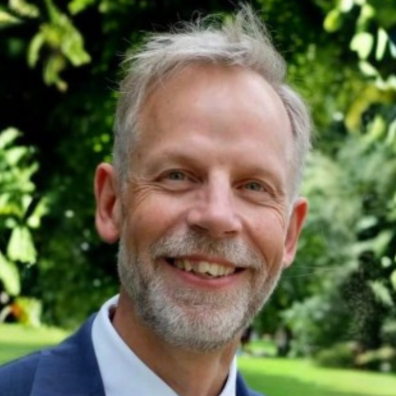
Chief Digital Officer, Department of Technical and Environmental Affairs, City of Aarhus, Denmark
Rasmus Ry Nielsen is the CDO of the dept. of technical and environmental affairs, city of Aarhus, Denmark. Rasmus has worked as a leader within digital government for +20 years in different municipal contexts. Rasmus and his team has deployed several AI-based solutions in the city of Aarhus, spanning from chatbots to advanced machine learning solutions to support and develop the management and development of the City and its surrounding natural richness. Rasmus is also the responsible for the creation of the City’s AI Solutions Assement Tool, a tool that offers a unified perspective on the legality, feasibility and ethicality of proposed AI solutions.

Acting Head EAM & New Technologies and Deputy CIO, Free and Hanseatic City of Hamburg, Germany
Zehra Öztürk deputy CIO and acting head of department at the Free and Hanseatic City of Hamburg. Together with her team, she drives the integration of new technologies and innovations in public administration and shapes a future-proof application landscape through architecture management. The computer scientist is committed to diversity and is active in networks for public administration such as Re:form and NExT. She also initiated the Ko-Pionier Award for the reuse of existing solutions.

Project Manager Smart Cities, Municipality of Vari-Voula-Vouliagmeni, Greece
Biography to follow shortly.

Interim AI.GM Lead, Greater Manchester Combined Authority, United Kingdom
Professor Mandy Parkinson will serve as the Interim AI.GM Lead for Greater Manchester Combined Authority, where she will provide system-level leadership for the region’s AI ecosystem and demonstrator ambition. She is also Associate Pro-Vice Chancellor for Knowledge Exchange at the University of Salford and is deeply engaged in both regional and national innovation agendas as a prominent figure in business innovation and knowledge exchange. Professor Parkinson plays a pivotal role in shaping strategic partnerships, fostering innovation ecosystems, and advancing translational research across disciplines. In addition, she holds a number of Board and Trustee positions, including with Growth Company, the Research and Development Management Association, and the British Academy of Management.
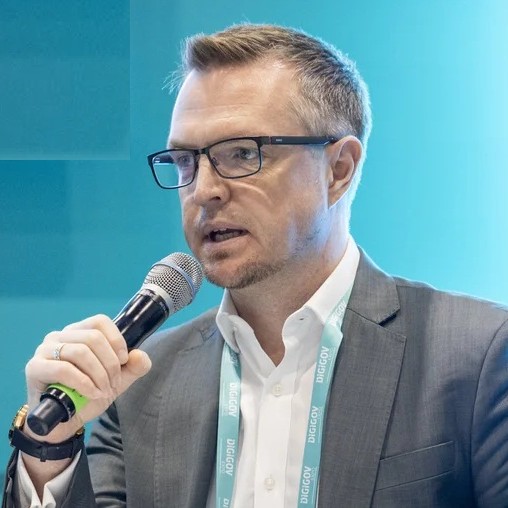
Director of Essex Digital Service, Essex County Council, United Kingdom
Nathan Pierce is Director of Essex Digital Service at Essex County Council, leading digital transformation across one of the UK’s largest local authorities. Nathan specialises in building scalable digital platforms, strengthening in-house delivery and using product-led approaches to drive better outcomes and sustainable savings. Previously he has worked across all council service areas across multiple authorities, including with European city partners to design and deliver modern, resident-focused services.

Director of Strategy & Policy, Local Government Association, United Kingdom
As Director of Strategy and Policy at the Local Government Association Eve is part of the Executive Leadership Team and leads on strategy, policy, research and communications. Working closely with the membership of the LGA, senior politicians and officers she shapes organisational priorities across her areas of responsibility and leads work to champion and be the voice of local government working to secure the powers, resources and support local government needs to deliver the best possible outcomes for communities. Her work spans a wide range of policy areas including Health and Care, Local Government Finance, Housing, Public Service Reform, Digital, Data and Technology and Inclusive Growth.
Previously Eve was at Leeds City Council where she spearheaded the delivery of the city’s Inclusive Growth Strategy introducing pioneering work in a range of areas including the Leeds Inclusive Anchors Network, the Social Progress Index and the delivery of their vision for innovation as the council’s Chief Officer, Culture and Economy. Before joining local government, Eve worked at NHS Digital for 15 years on the delivery of complex and large-scale IT change programmes including the first Prison Health IT system in England and the Child Protection Information Sharing Project – which included her working with the LGA.

Director, Turing Innovation Catalyst Manchester (TIC), United Kingdom
As the founding CEO at the Turing Innovation Catalyst Manchester (TIC) Liz is focused on the growth and development of the AI ecosystem across Greater Manchester. TIC is a first of its kind not-for-profit focused on leveraging AI to drive economic growth across Greater Manchester. In Liz’s day to day work she leads TIC to deliver extensive programmatic work including AI incubators and accelerators; venture studios; inclusive skills programmes; and a whole host of events and activities to drive the AI ecosystem forward and deliver growth. Advocating for and connecting the GM AI Ecosystem nationally and internationally is a key part of Liz’s role.
Liz is a long time tech ecosystem supporter, advisor and advocate. She has supported businesses large and small, nationally and internationally to grow, innovate and evolve for over 20 years. Prior to TIC Liz was part of the Executive Board at Tech Nation, responsible for building and supporting a national community of 4500+ of the UK’s most promising scaleups; delivery of international programmes; the Global Tech Talent Visa programme; all non-grant revenue; and strategic partnerships. In her Non-Exec Director and Advisory board roles Liz works with a number of tech sector and innovation focused organisations.

Lead Engineer, Incubator for Artificial Intelligence (i.AI), United Kingdom
Dheeraj Singh is Lead Engineer at the Incubator for Artificial Intelligence (i.AI) within the Department for Science, Innovation & Technology (DSIT), where he pioneers data and infrastructure solutions that accelerate AI innovation across government. He designs scalable data ecosystems that enable public sector organisations to rapidly prototype and deploy cutting-edge AI technologies. His hands-on work includes developing practical evaluation frameworks for Voice AI systems, ensuring government AI is accurate, unbiased, and fit for public use.
Before joining i.AI, Mr Singh served as Senior Software Engineer at Skyscanner, leading a team of data engineers during the company’s post-COVID recovery and consolidating multiple systems into a centralised data warehouse. Prior to this, he spent six years at JP Morgan Chase in New York and Glasgow as Senior Tech Lead, building data pipelines for financial calculations under stringent regulatory requirements. He also served as Senior Consultant at Deloitte in New York, developing data integration processes for US banking clients.
Mr Singh’s career spans both corporate and government sectors, giving him a unique perspective on deploying AI responsibly and effectively to meet the distinct demands of public service delivery.
Mr Singh holds a Master’s degree in Computer Applications from VIT University, India.
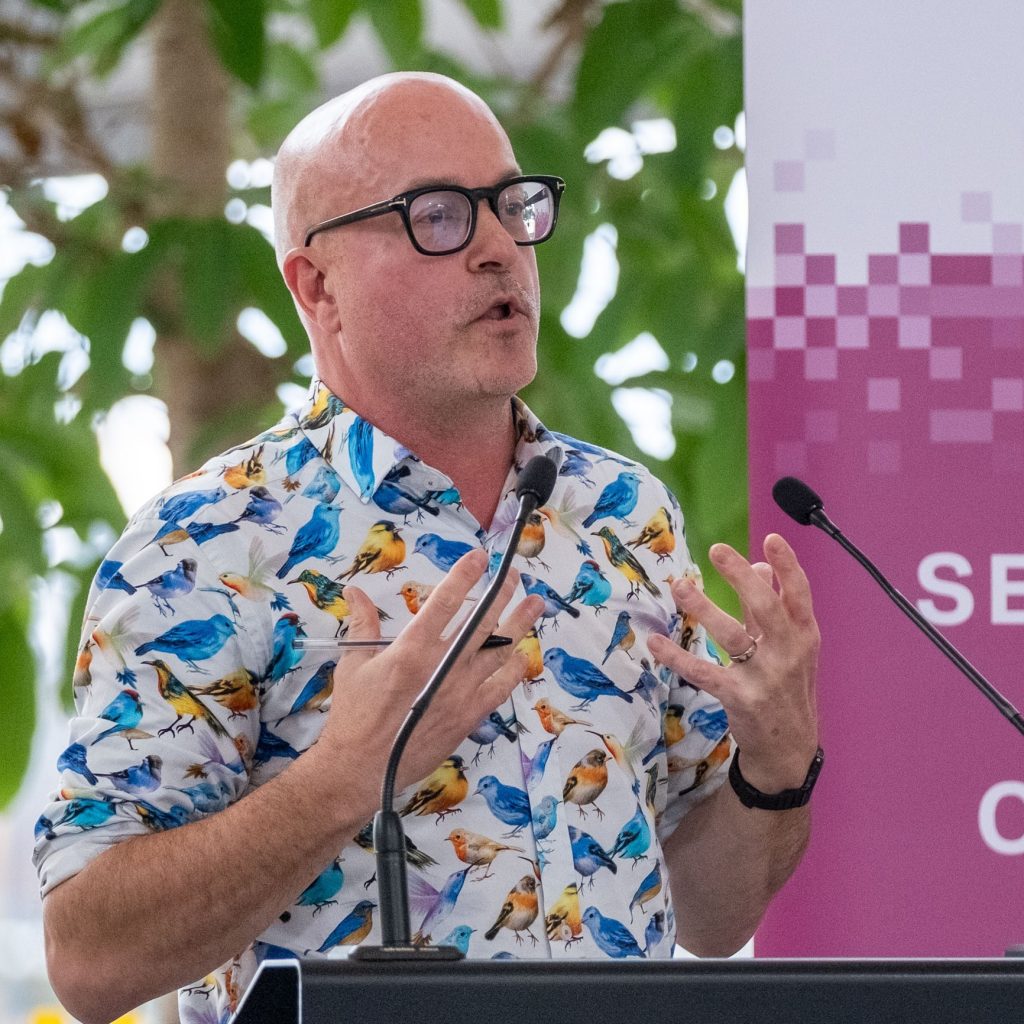
Director of AI, Ministry of Housing, Communities and Local Government, United Kingdom
Tom is Director of AI at the Ministry of Housing, Communities and Local Government (MHCLG), scaling up AI, digital and data science to support national and local delivery.
Tom’s previous roles in government include MHCLG’s first Chief Data Officer, director of the Deputy Prime Minister’s Data Unit, founding director at the Joint Biosecurity Centre, and managing director at the Data Science Campus at the Office for National Statistics.
Before joining government, he was co-founder and chief executive of OCSI, a research and data ‘spin-out’ company from Oxford University. Tom has had board and advisory roles at the UN, Royal Society, Royal Statistics Society, Environment Agency, Open Data User Group, media and academic groups.
Tom is visiting professor in AI at University of Sussex. He has a PhD in computational neuroscience, evolving neural networks for robot control (Sussex), an MSc in knowledge-based systems (Sussex), and MA in theoretical physics (Cambridge).

Chief AI Officer, Liverpool City Region Combined Authority, United Kingdom
Tiffany St James is Chief AI Officer at Liverpool City Region Combined Authority, the UK’s first public sector regional CAIO. An award‑winning AI and digital strategist and leadership psychologist, she brings over twenty years’ experience across central and local government, global organisations, and the private sector.
Tiffany has delivered AI and digital programmes to over 70 local authorities and authored the UK’s first State of the Nation report on AI in Adult Social Care. Her career includes launching Directgov, DATA.GOV.UK, serving as the UK Government’s first Head of Public Participation, leading Digital Gold Command for Digital Comms for Grenfell. She has recently been voted in the Top 100 Govermment AI Pioneers globally.

Director for Government Digital Enablement, Government Digital Service, United Kingdom
Phil Swan recently joined the Government Digital Service (GDS) as Director responsible for GDS Local, Service Standards, Inclusive Digital Design and Digital Workforce & Capability. He moved into the role after over eight successful years at the Greater Manchester Combined Authority (GMCA), where he led the delivery of the Greater Manchester Digital Blueprint and drove major progress in digital inclusion, skills, infrastructure, and public‑service transformation.

CEO and Co-founder, Open Data Manchester, United Kingdom
Julian Tait is CEO and co-founder of Open Data Manchester (ODM), a Greater Manchester-based Community Interest Company working at the intersection of data, technology, and civic life. He leads ODM’s work on responsible data practice, AI literacy for communities, and participatory data governance — including the development of Principles for Collaborating with Residents on AI Systems, adopted by GMCA. Julian serves on the GM Digital Steering Group, GM Information Board, and as Greater Manchester’s OGP Local Civil Society Contact Point. He is currently leading the GM Digital Blueprint 2027–30 and sits on the University of Manchester’s Digital Futures Strategic Advisory Board.

Field Director EMEA , Safety and Security, Dell Technologies
Erik Ullstrand is a Field Director in Dell Technologies’ Global Sales organization, focused on helping customers and partners navigate complex infrastructure and alliance-led opportunities. He brings extensive experience in safety and security, computer vision, edge, and video, with a practical perspective on how data-intensive technologies support real-world operational outcomes across EMEA. His background spans AI, storage, and modern data platforms, giving him a broad cross-industry view of how organizations can turn technology into measurable business value.

Chief Executive, Salford City Council, United Kingdom
Stephen Young is the Chief Executive of Salford City Council following 30 years’ experience in local government across the UK including in Lancashire, the Liverpool City Region, Cheshire and Greater Manchester. Most recently Stephen spent almost four years as the Chief Executive of Halton Borough Council during which time Stephen delivered on a range of large-scale programmes focusing on organisational transformation and change as well as regeneration and economic growth across the Liverpool City Region.

Chief Data Officer, London Borough of Camden, United Kingdom
Martin is the Chief Data Officer at the London Borough of Camden, where he has been for nearly two years. As well as being accountable for the Data Strategy, he is also accountable for ensuring the Camden Data Charter is embedded in Camden uses data transparently. A big focus is ensuring its data capabilities will enable more preventative and early intervention public service.
Martin has over 25 years’ experience in digital, data and technology roles, evenly spread between public and private sector. His experience spans start-ups, multinational organisations and four central government organisations.

Event Moderator, Global Government Forum
Siobhan was a senior civil servant in the UK with more than 15 years’ Whitehall experience. She worked in many of major delivery departments, including Transport, Environment, Health and Local Government. She also had senior roles at the heart of government in the Cabinet Office and HM Treasury, including supporting the then Cabinet Secretary, Lord O’Donnell, to lead work on civil service reform and strategy. Siobhan left to run as an independent candidate in the Mayor of London election. She subsequently joined her alma mater, Warwick University, as Chief Strategy Officer of Warwick in London and Co-Director of the Warwick Policy Lab.

Executive Editor, Global Government Forum
Richard is the Executive Editor of Global Government Forum, where he helps to produce editorial analysis and insight for the title’s audience of public servants around the world. Before joining GGF, he spent nearly five years at UK-based title Civil Service World, latterly as Acting Editor, and has worked in public policy journalism throughout his career.

Research Editor, Global Government Forum
Sarah has over 15 years’ experience as a journalist with a specialism in the public sector and topics such as digitalisation and climate action.
Sarah is GGF’s research editor, where she leads research projects that work to indentify best practice from government leaders around the world, and to understand the skills and priorities of civil servants.
Sarah was formerly the editor of Cities Today and Smart Cities World, as well as a specialist video-based publication in the aerospace sector. She has also written for publications including Smart Cities Dive, Mobile Europe, Mobile World Live and Computer Weekly